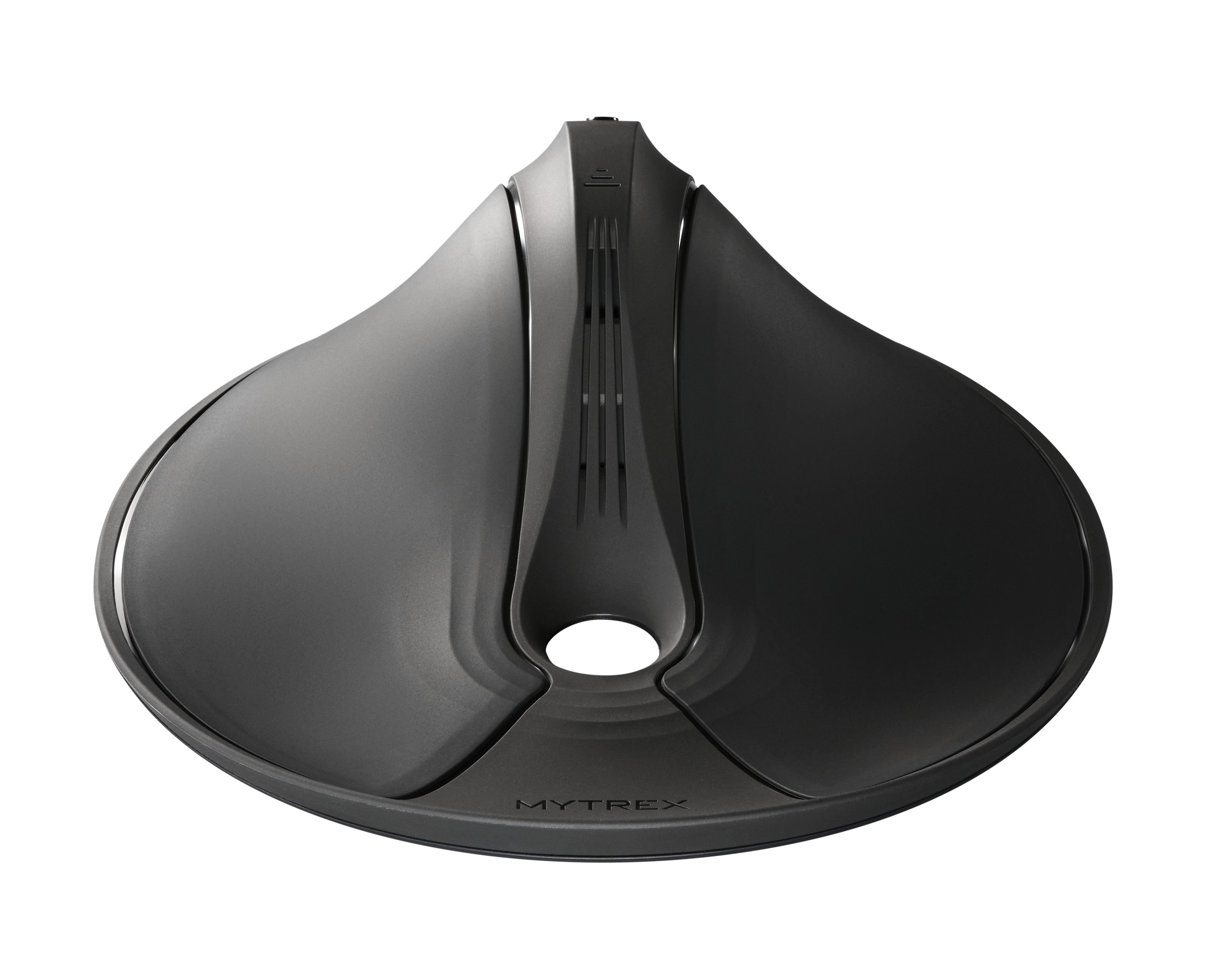
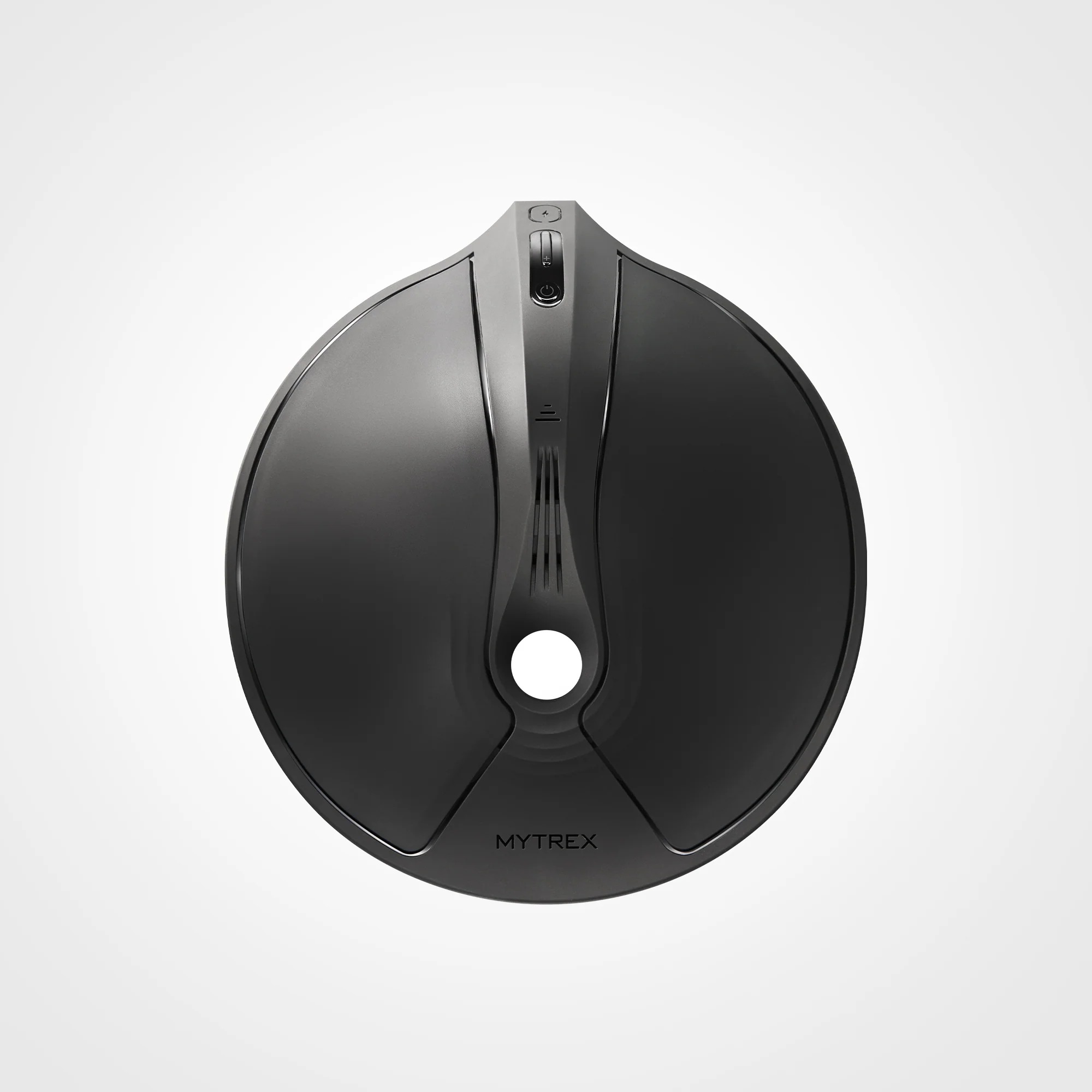
| Brand | MYTREX |
| Product name | AQUA QUTTO |
| Rated power supply | DC5V 1A |
| Special AC adapter |
Input:AC100-240V 50/60Hz 0.35A Output: DC5V 1A |
| Power consumption | Approximately 500mW |
| Battery Capacity | 300mAh |
| Timer | 15-minute auto shut off |
| Size/Weight | Approximately 11.65 × 10.59 × 3.46 in Approximately 1.32 lbs |
| Pulse count | 10Hz–60Hz |
| Material | Silicone, Polycarbonate |
| Battery life* | Longest: Approximately 15 hours (Level 1) |
| Shortest: Approximately 4 and a half hours (Level 20) |
*Actual battery life may vary depending on the usage environment and conditions.
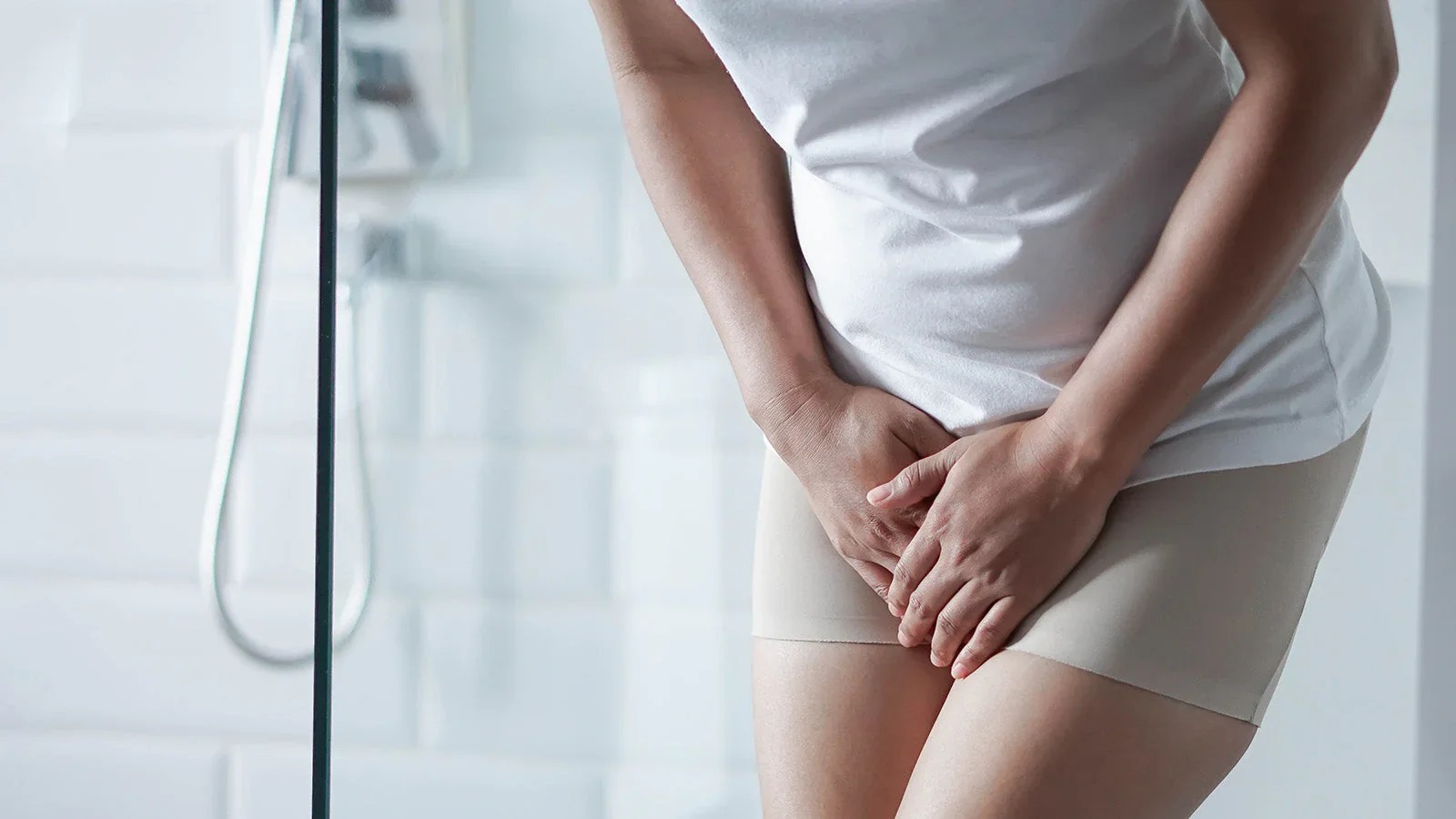
✓ A little leakage when sneezing or laughing?
✓ Worried about leakage during workouts?
✓ Going to the bathroom more often than you'd like?
✓ Feeling like you almost couldn't make it to the bathroom?
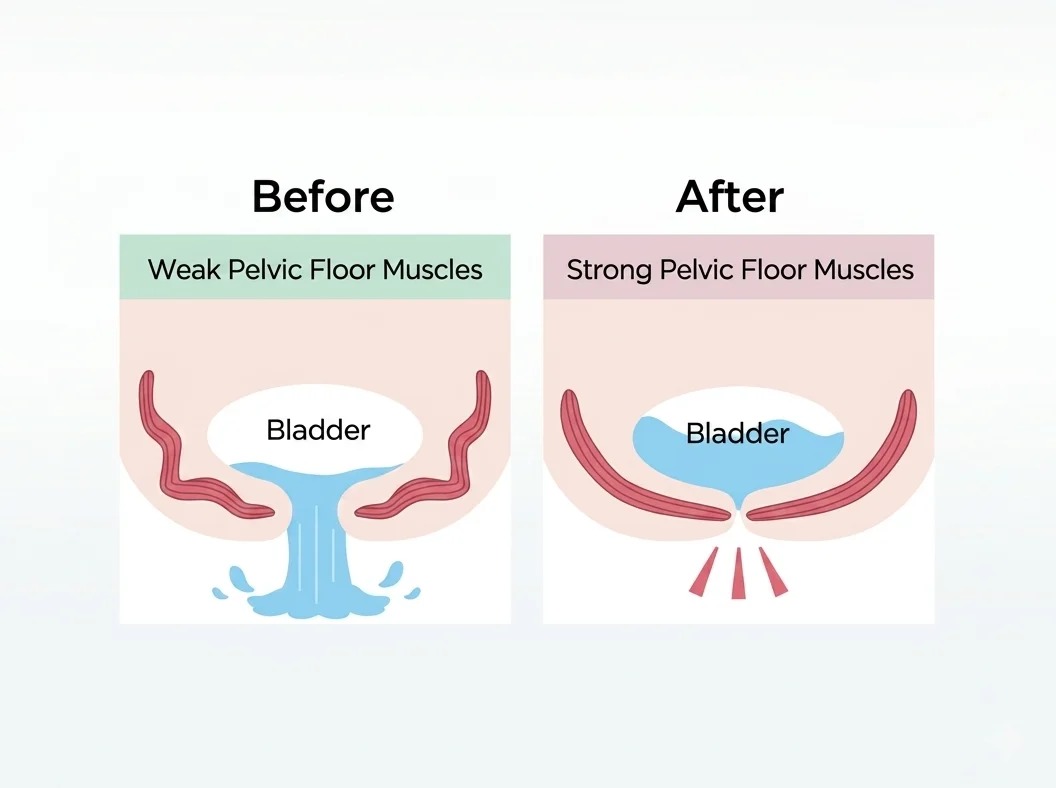
The pelvic floor is a group of muscles that support bladder control, bowel movement, sexual function, core stability, and even prostate comfort.
When weakened or overactive, they can cause issues such as urinary leakage, frequent urination, painful sex, pelvic heaviness, and more.
Non-Invasive Stimulation
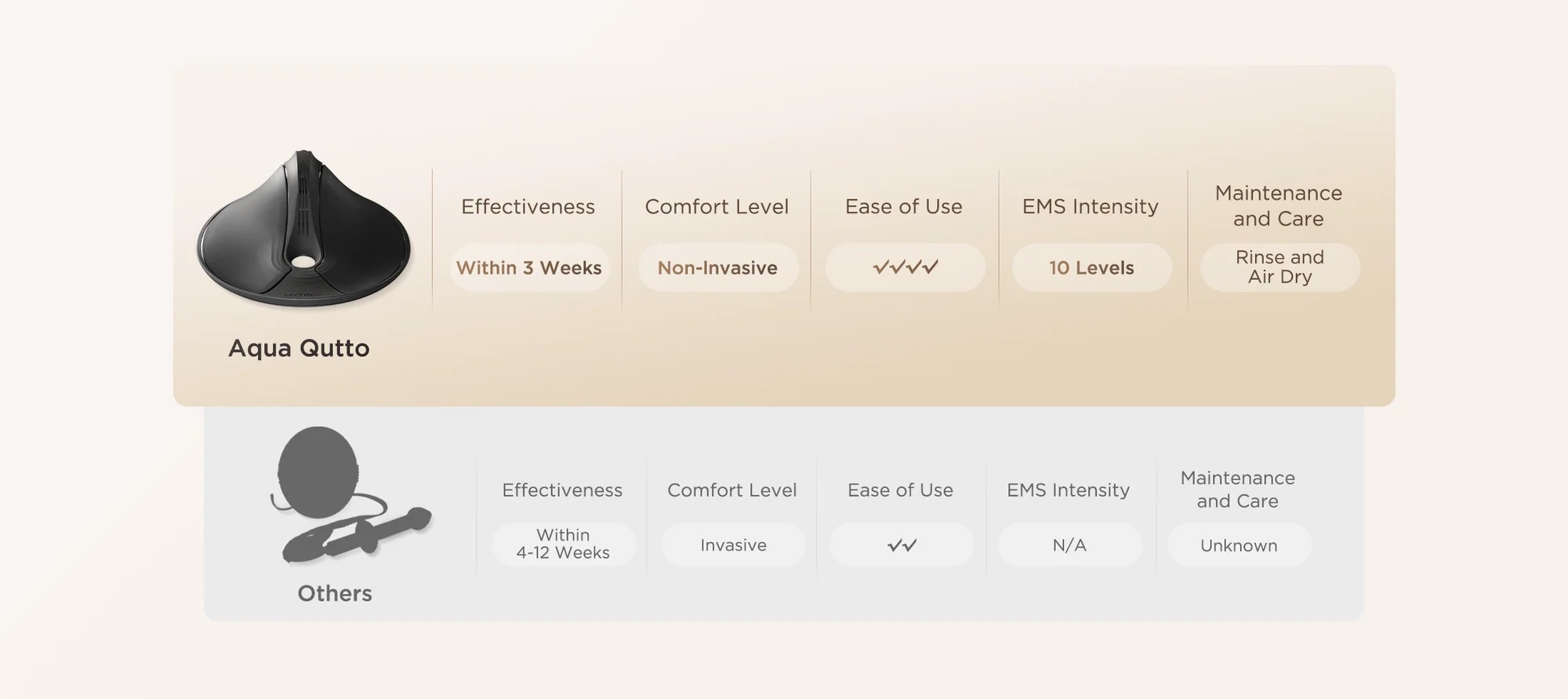
Powered by low-frequency EMS technology, Aqua Qutto sends electrical pulses directly to the pelvic floor muscles, triggering rhythmic contractions and relaxations to tone and strengthen these muscles.
Non-Invasive Stimulation
Powered by low-frequency EMS technology, Aqua Qutto sends electrical pulses directly to the pelvic floor muscles, triggering rhythmic contractions and relaxations to tone and strengthen these muscles.
Bladder Confidence
Just 15 minutes a day helps support stronger pelvic floor muscles, better bladder control, postpartum recovery, sexual wellness and a smoother transition through perimenopause and menopause — helping you feel more confident and connected to your body.
Bladder Confidence
Just 15 minutes a day helps support stronger pelvic floor muscles, better bladder control, postpartum recovery, sexual wellness and a smoother transition through perimenopause and menopause — helping you feel more confident and connected to your body.
Sit and Train
Many people struggle to identify and engage their pelvic floor muscles during Kegel exercises. With EMS technology, Aqua Qutto targets and stimulates these hard-to-reach muscles, supporting your pelvic wellness routine with ease.
Sit and Train
Many people struggle to identify and engage their pelvic floor muscles during Kegel exercises. With EMS technology, Aqua Qutto targets and stimulates these hard-to-reach muscles, supporting your pelvic wellness routine with ease.
Hear from the Pelvic Floor Expert
"The pelvic floor muscles are often overlooked as they’re hard to see and feel, yet they play a vital role in every woman’s health. I genuinely hope more people can experience the benefits of the AQUA QUTTO, because it's designed to help women regain pelvic strength, especially after childbirth."
- Dr. Sayaka Urushikawa, Physical Therapist, Holistic Care
Deep-Layer Muscle Stimulation
Weak pelvic floor muscles often lead to urinary leaks, prolapse and other discomfort. Powered by low-frequency EMS technology, Aqua Qutto gently stimulates, tones and strengthens these muscles, helping you regain control, reduce leaks and live more freely.
🧘A 15-minute EMS session ≈ 300–900 Kegel muscle contractions
Whether you’re recovering postpartum, experiencing bladder leakage due to aging, or proactively supporting prostate health and sexual wellness, Aqua Qutto delivers targeted, gentle electrical pulses to strengthen the pelvic floor and restore confidence.
✅ No appointment. No awkward conversations. No complicated routine.
✅ 15-minute/day, private training at home.
✅ Easy to use; no app required.
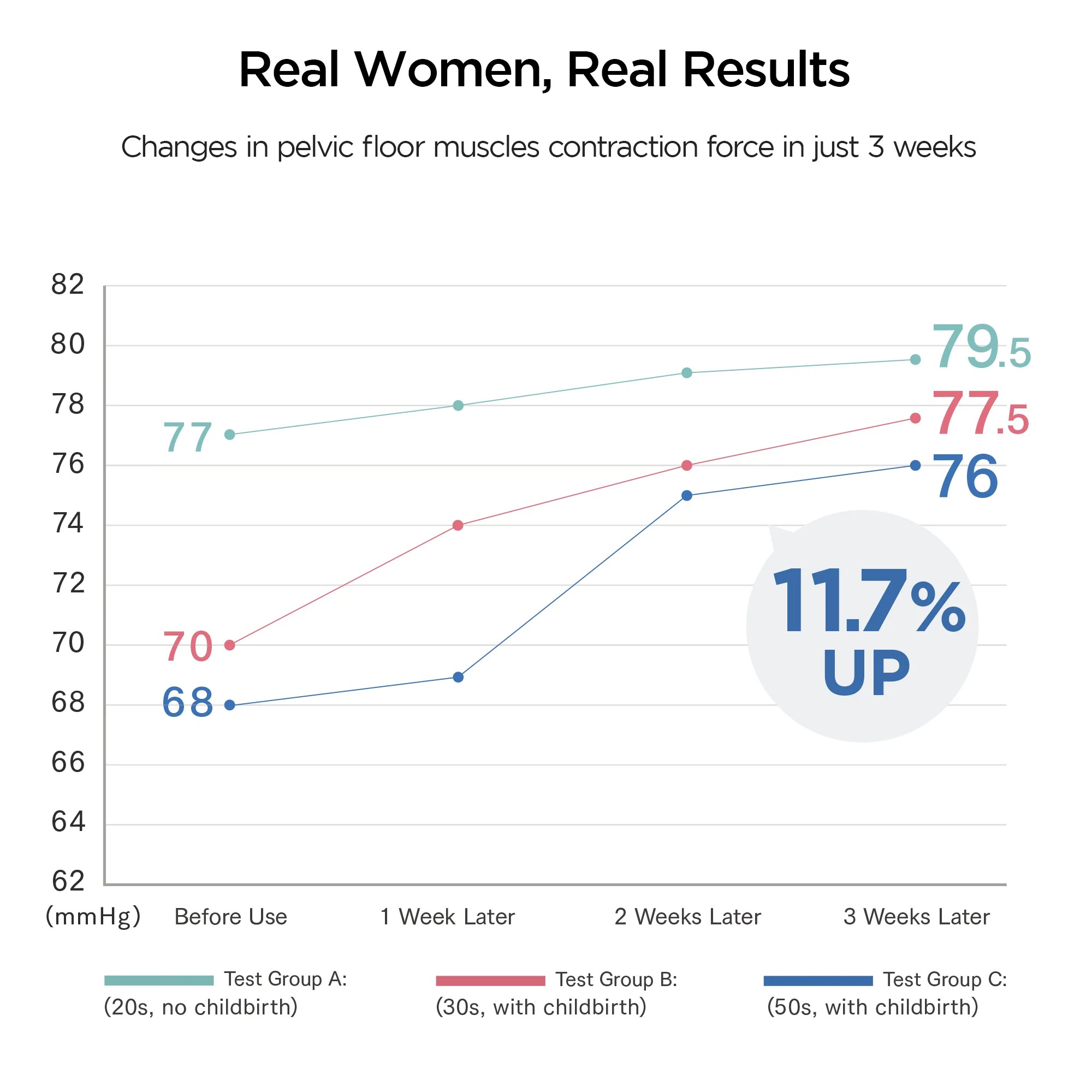
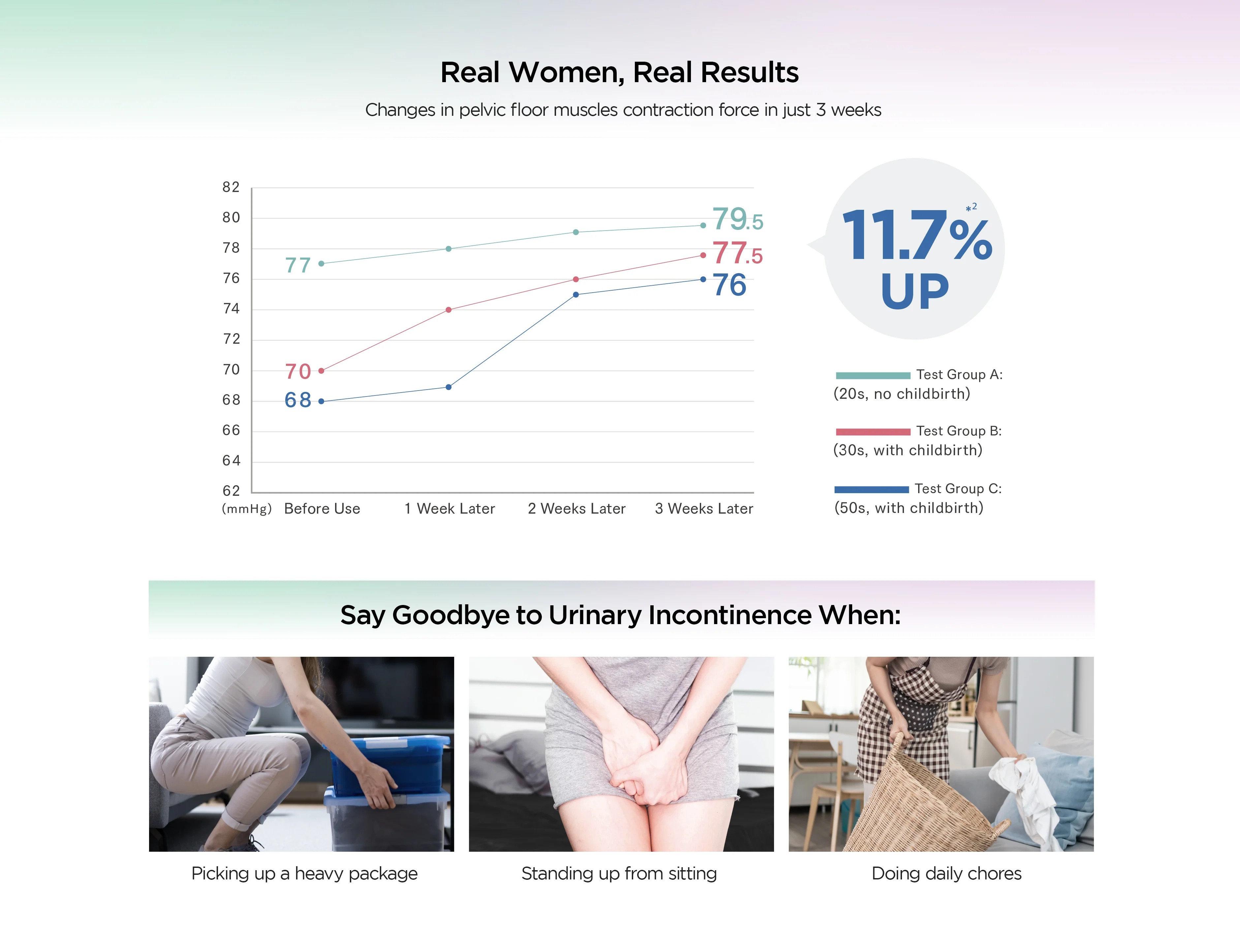
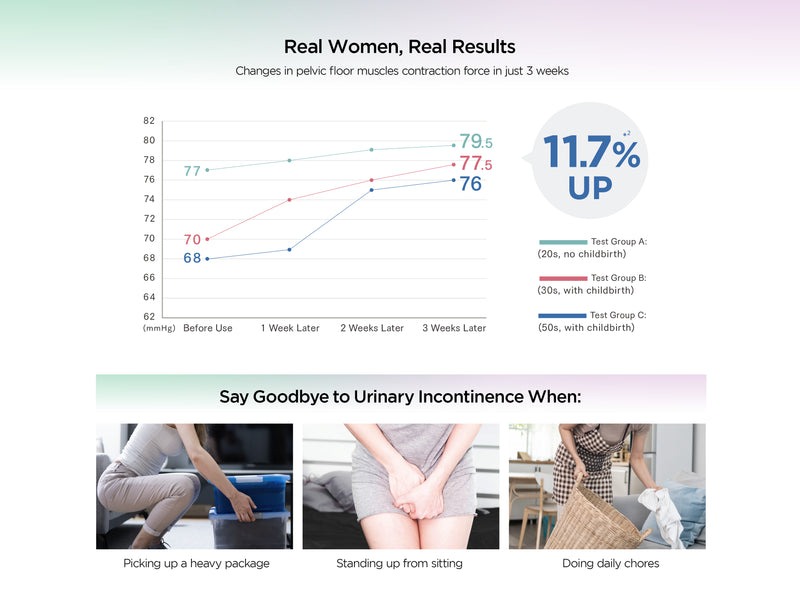
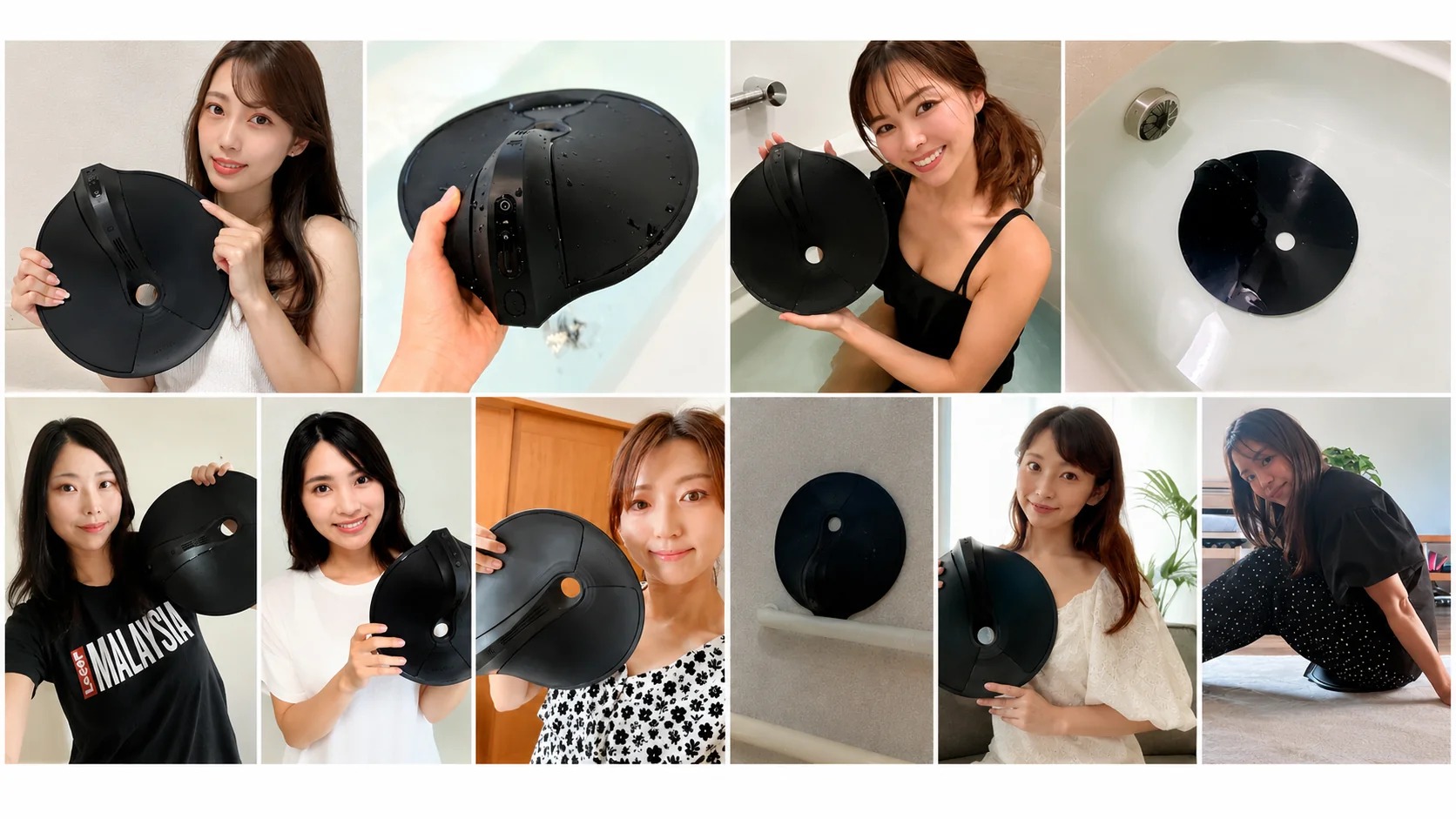
*Results are based on a 3-week case study involving women aged 20 to 50, both with and without a history of childbirth. (n = 19). Individual results may vary.
Lay the Aqua Qutto on a flat, firm surface.
👉 Got a bathtub? You can also enjoy it while taking a bath.
Lay the Aqua Qutto on a flat, firm surface.
👉 Got a bathtub? You can also enjoy it while taking a bath.
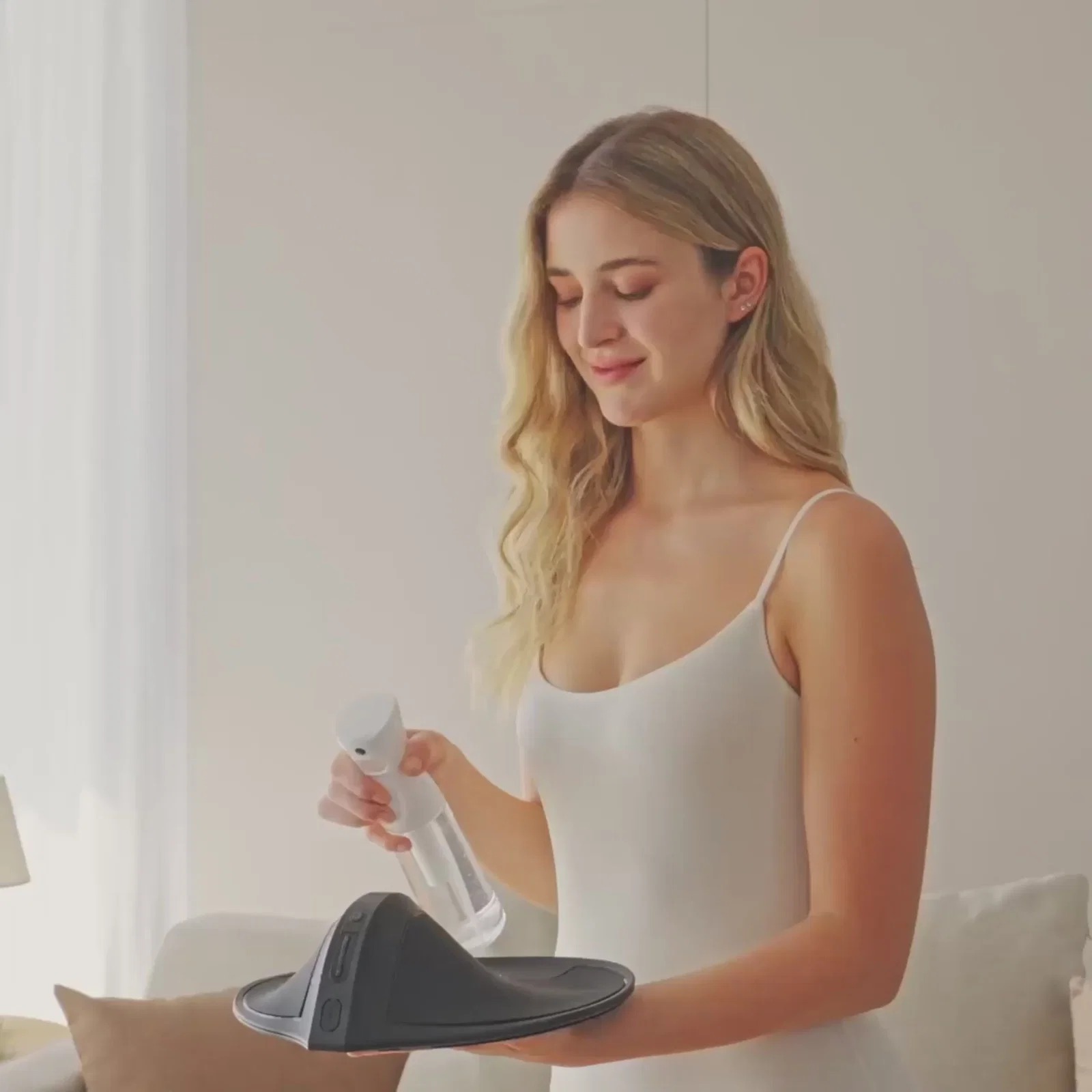
Splash or spray some water on the surface of the device.
*Ensure that the charging port has been properly sealed.
Splash or spray some water on the surface of the device.
*Ensure that the charging port has been properly sealed.
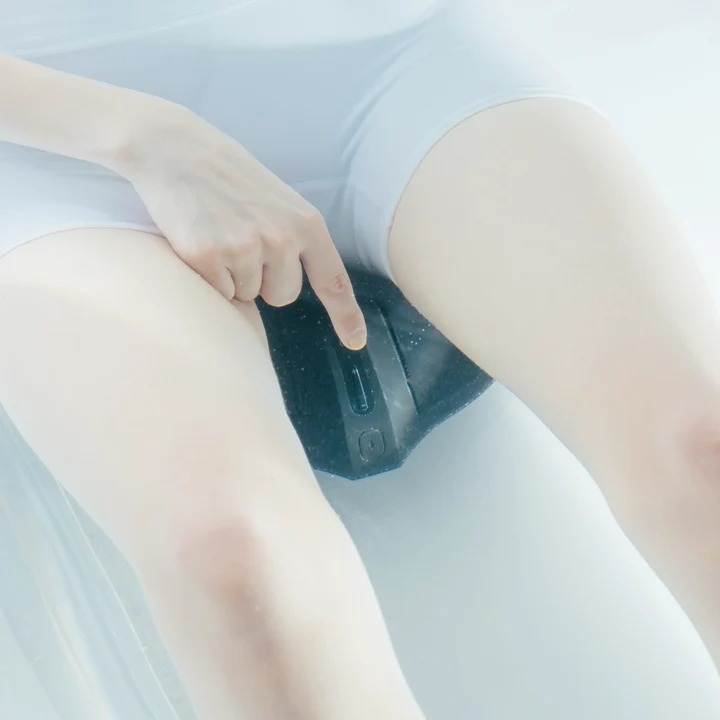
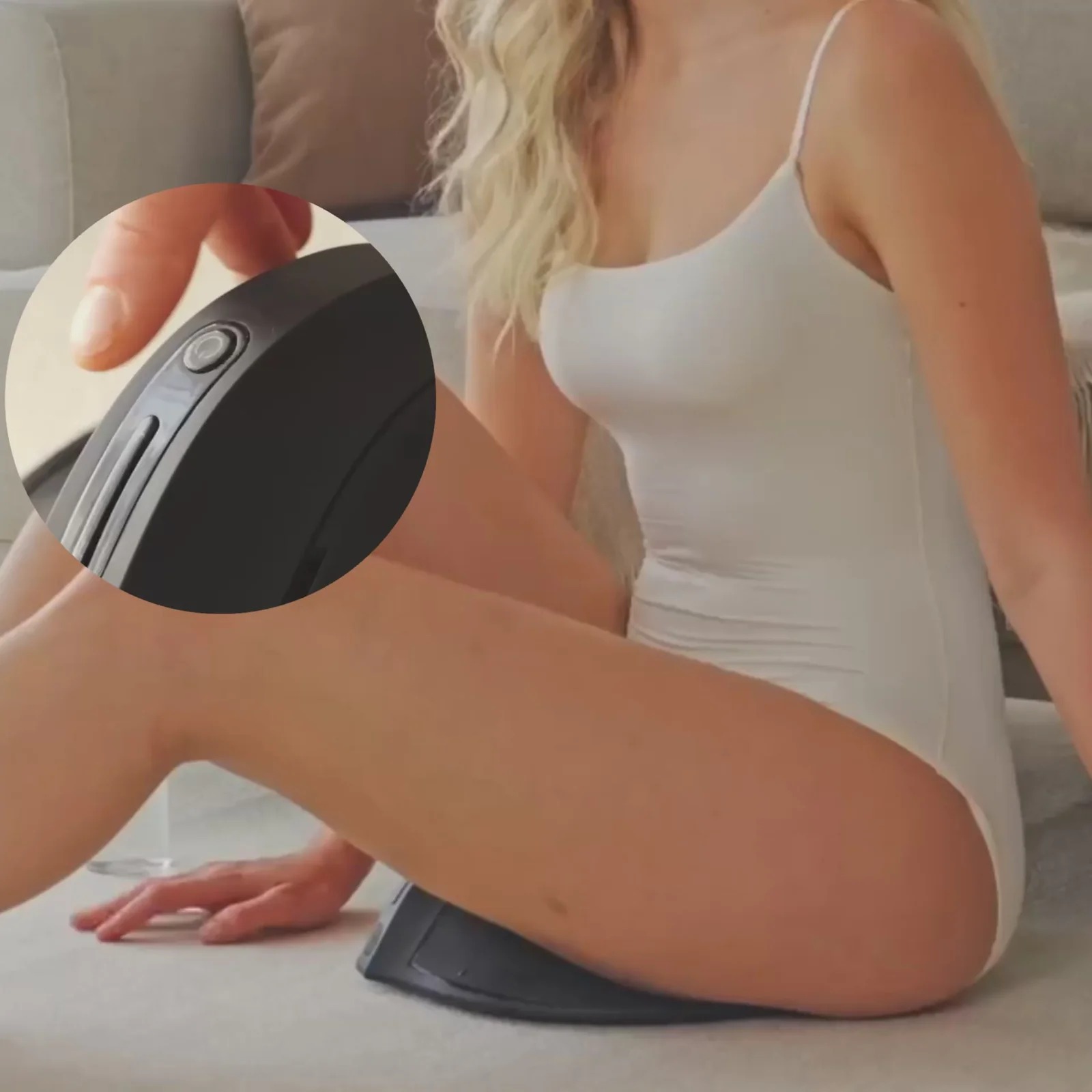
Sit with the control panel facing forward, ensuring your thighs hold it snugly and your skin touches both sides.
Hold the Power button for 2 seconds to start at EMS level 1, then adjust intensity with “+” or “–”.
Sit with the control panel facing forward, ensuring your thighs hold it snugly and your skin touches both sides.
Hold the Power button for 2 seconds to start at EMS level 1, then adjust intensity with “+” or “–”.
*Based on an in-house study conducted from August 9th to August 30th, 2024
among women aged 20–50 (n = 19).
*Results may vary by individual.